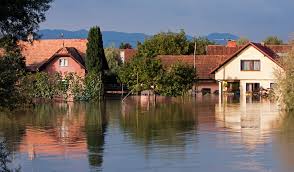
Discover environmental risks early with a natural hazard disclosure report

Buying property is a major investment. But property buyers and homeowners often underestimate the power of early, data-driven decisions. One vital tool that has gained popularity in recent years is the natural hazard disclosure report. This comprehensive document reveals much more than just property boundaries or square footage. It highlights environmental risks that could affect the safety, value, and insurability of a home or commercial building. Understanding the benefits of discovering these environmental risks early by reviewing a natural hazard disclosure report can help individuals make more informed, confident choices.
Why Environmental Risk Assessment Matters
Environmental hazards, from wildfires to floods, are rising in both frequency and severity. Properties situated in high-risk zones may encounter sudden value fluctuations, stricter insurance requirements, or higher premiums. Accurate and timely information offers a strong advantage—not just for potential buyers, but also for property owners, investors, real estate agents, and lenders.
A natural hazard disclosure report puts crucial facts in the hands of those who need them most. With comprehensive analysis of multiple data sources, these reports provide a holistic view of property-related risks. The following sections highlight compelling benefits that demonstrate why early detection of environmental threats is essential.
Peace of Mind for Property Buyers and Owners
The uncertainty involved with property transactions often causes anxiety. However, a natural hazard disclosure report can bring clarity and reassurance. By identifying whether a property rests within floodplains, fire hazard zones, seismic fault lines, or landslide-prone areas, buyers can plan accordingly. Owners can also anticipate potential issues well ahead of time, making preparations that can mitigate loss and disruption.
Early access to these data-driven insights helps prevent unpleasant surprises. Buyers can proceed with confidence, knowing that they’re not walking into a hidden risk zone. Homeowners can proactively safeguard their investment and take necessary precautions. This peace of mind is invaluable, especially as climate patterns continue to shift.
Financial Security Through Transparency
Environmental risks have direct and measurable impacts on property value and insurance costs. For example, properties in high-risk areas might require special insurance policies, which can substantially increase long-term ownership costs. If a potential buyer knows the likelihood of flooding, earthquake, or wildfire damage at the outset, they can make realistic calculations when setting their budget.
Transparency translates to smarter negotiations. Sellers are more likely to gain a buyer’s trust if they can clearly demonstrate that the property has been screened for potential hazards. Buyers can use information from the report to negotiate for better terms, price adjustments, or mitigation upgrades like fire-resistant roofing or reinforced foundations.
From an investment perspective, early discovery of risks enables property owners to make cost-effective improvements that could enhance both safety and marketability. Such foresight preserves property value and reduces unexpected expenses.
Stronger Insurance Planning and Compliance
Insurance companies often rely on natural hazard disclosure reports to assess risk and determine coverage availability or requirements. Getting a clear picture of a property’s exposure can ensure compliance with local, state, and federal laws, especially in areas where disclosure is mandatory.
Having relevant information from the outset helps buyers and owners anticipate and budget for future insurance premiums. It’s much easier to secure affordable policies if the risks have been evaluated and, when possible, mitigated. Furthermore, owners who act on the data—increasing flood resilience or updating seismic reinforcements, for instance—may be eligible for discounts or preferred insurance rates.